
The Dark Side of UGC: When Authentic Goes Awfully Wrong
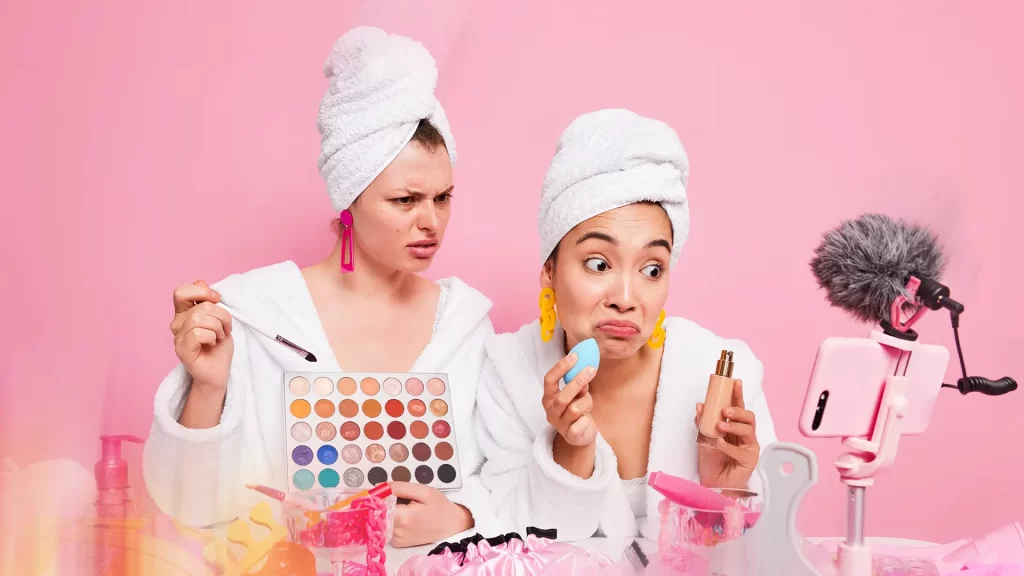
If you’ve been online lately, you know the drill: brands are obsessed with User-Generated Content (UGC). It’s the marketing world’s favorite shortcut to looking “relatable” without the six-figure production budget. But there’s a massive catch. When you hand your brand’s reputation over to a random creator for a “vibe check,” you aren’t just buying content—you’re gambling your equity.
In Indonesia, we’ve seen what happens when “authentic” turns into “offensive.”
Take the Babyzilla[1] fiasco on TikTok. In an attempt to trend, a creator posted a video of a woman aggressively scolding another mother because her baby was crying. It was meant to be “relatable” or “edgy” content for the brand, but it missed the mark so spectacularly it hit a wall. Instead of building a community, it sparked a massive backlash for promoting mom-shaming. The result? The brand’s reputation evaporated faster than a puddle in Jakarta’s heat. Today, the name Babyzilla is more of a cautionary tale than a household staple.
Then there’s the case of a certain roll-on deodorant brand[2] that decided to play with fire—and “garlic.” They filmed members of the cosplayer community without their consent, slapping on the derogatory “bau bawang” label. It wasn’t “funny” or “relatable” to the community; it was a targeted insult based on a tired stereotype. The cosplay community didn’t just get mad; they collectively put the brand on blast, proving that if you insult your audience’s hygiene under the guise of UGC, they will make sure your brand is the one that ends up stinking.
The Double-Edged Sword

Think of UGC as a high-stakes trade. You are giving up the safety of a polished, legal-vetted script for the “street cred” of a creator. When it works, you get a brand advocate[3] who actually sounds like a person—someone who can sell your product better than any $50k agency campaign. But when it fails, it’s not just a “bad ad”; it’s a character flaw.
The fundamental risk lies in the loss of brand guardianship. In a traditional campaign, every frame is scrubbed for “brand safety[4]” by a dozen executives; in UGC, you are outsourcing your reputation to someone whose primary loyalty is to their own engagement metrics, not your bottom line. When a brand incentivizes “edgy” content without setting clear moral boundaries, it essentially gambles its equity for a few seconds of virality. The internet’s memory is long, and in the age of “receipts,” a misguided attempt at being “relatable” through someone else’s lens can permanently stain a brand’s legacy as being a bully rather than a buddy.
The UGC Done Right
When a brand actually understands the “vibe,” UGC becomes more than an ad—it becomes a cultural moment.
- The “Pramugari Angkot”[5] – Wardah (Indonesia): This was a masterclass in local nuance. By leaning into the everyday hustle of Indonesian public transport and contrasting it with the polished “flight attendant” look, Wardah managed to be funny, aspirational, and deeply relatable. It didn’t mock the passenger; it celebrated the glow-up.
- The “Cigarette Maestro”[6] – New York (Global): If you want to see the power of “unfiltered” connection, look at Bob Terry (better known as “Breaking Bob”). He handed out simple flyers in New York inviting strangers to Washington Square Park just to “light up together.” He didn’t have a $1M production budget—he had a megaphone and a carton of Marlboros. Over 2,000 people showed up for a five-minute smoke break. It was absurd, wholesome, and arguably the most successful “unintentional” campaign for the community (and, by extension, his favorite Marlboro Reds) we’ve seen in years.
- The “Meeting in Disguise”[7] – OVO (Indonesia): Nothing says “authentic workplace culture” like a viral clip of OVO employees actually leaning into the holiday spirit. The video of employees squeezed into an elevator, dressed in full Halloween costumes while deadpan-discussing OVO promotions and KPIs, was gold. It humanized the fintech giant, showing that behind the app are real people with a sense of humor. It didn’t feel like a forced corporate mandate; it felt like a “leak” from a fun office that you actually want to be a part of.
2026 Projections: From “Aesthetic” to “Trust”
As we approach 2026, the industry is shifting from broad UGC to the rise of the KOC (Key Opinion Consumer). While traditional UGC is often a one-off asset, KOCs are your “super-users[8]“—real customers with smaller, fiercely loyal followings. Unlike professional influencers (KOLs) who sell reach, KOCs sell trust. In 2026, we’ll move away from the “Aesthetic Economy” where everything must look perfect, toward a “Trust Economy” centered on celebrating the unscripted, the messy, and the “inchstones” of daily life.
The biggest technical shift will be Generative Engine Optimization (GEO[9])[10]. In 2026, people won’t just search on Google; they’ll ask AI assistants for recommendations. To be the “chosen” brand, you need your KOCs and users to mention you across the web, as these AI models prioritize brands cited in real, authentic human conversations. We are also seeing the rise of Retail Fandom, where brands win by building micro-communities that prioritize belonging over mere buying.
The lesson? If you want your brand to go viral, make sure it’s for a warm hug or a clever wink, not a public shaming. Authenticity is only an asset if you actually like the people you’re selling to.
Subscribe to our newsletter for
smart marketing tips, zero fluff, and a dose of digital straight to your inbox.