
What Your Font Says About You (and Your Brand)
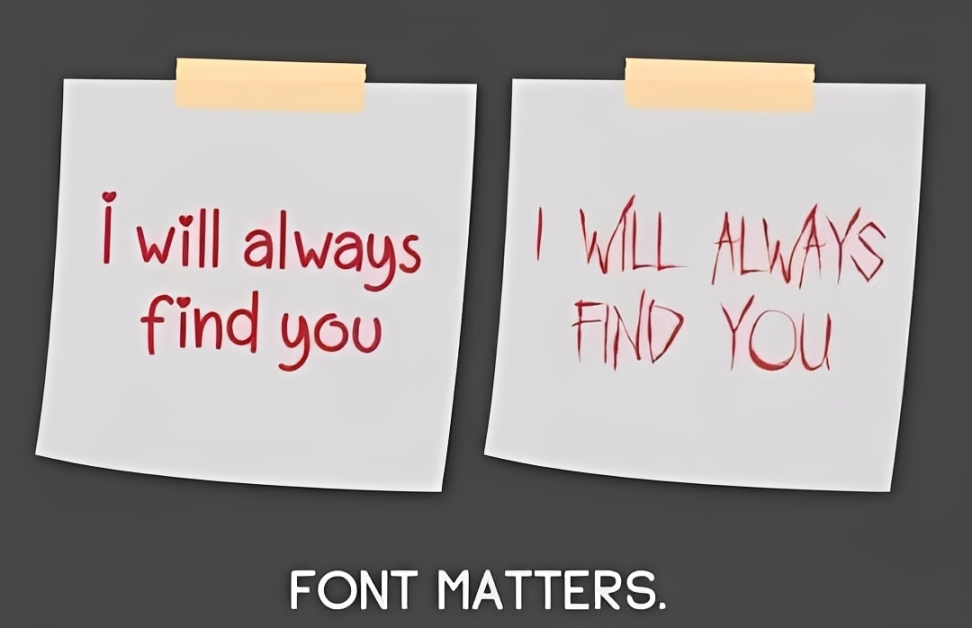
Fonts aren’t just letters. They’re your brand’s first impression[1], vibe check, and visual voice—all before anyone reads a single word.
If fonts were people, here’s the quick read: DM Serif is the friend who just bought a beachfront villa—effortlessly elegant and perfect for lifestyle brands or boutique hotels. Inter is the chill ads guy—clean, clear, and reliable for startups and SaaS.
JetBrains Mono? That’s your crypto bro—sharp, serious, and all dark-mode energy, built for tech and fintech. Montserrat is the popular kid you actually like—stylish, approachable, and great for urban brands or social feeds.
And Helvetica? She’s Taylor Swift—iconic, versatile, and always relevant, no matter how many times you’ve seen her.
That’s the fun personality side of fonts. But there’s more to typography than vibes. It’s deeply shaped by culture, lifestyle, and how designers bring it to life. To dig deeper, we spoke with Daud, one of our designers, whose experimental style pushes typography into fresh, unexpected territory.
Interview with Daud: The Experimentalist
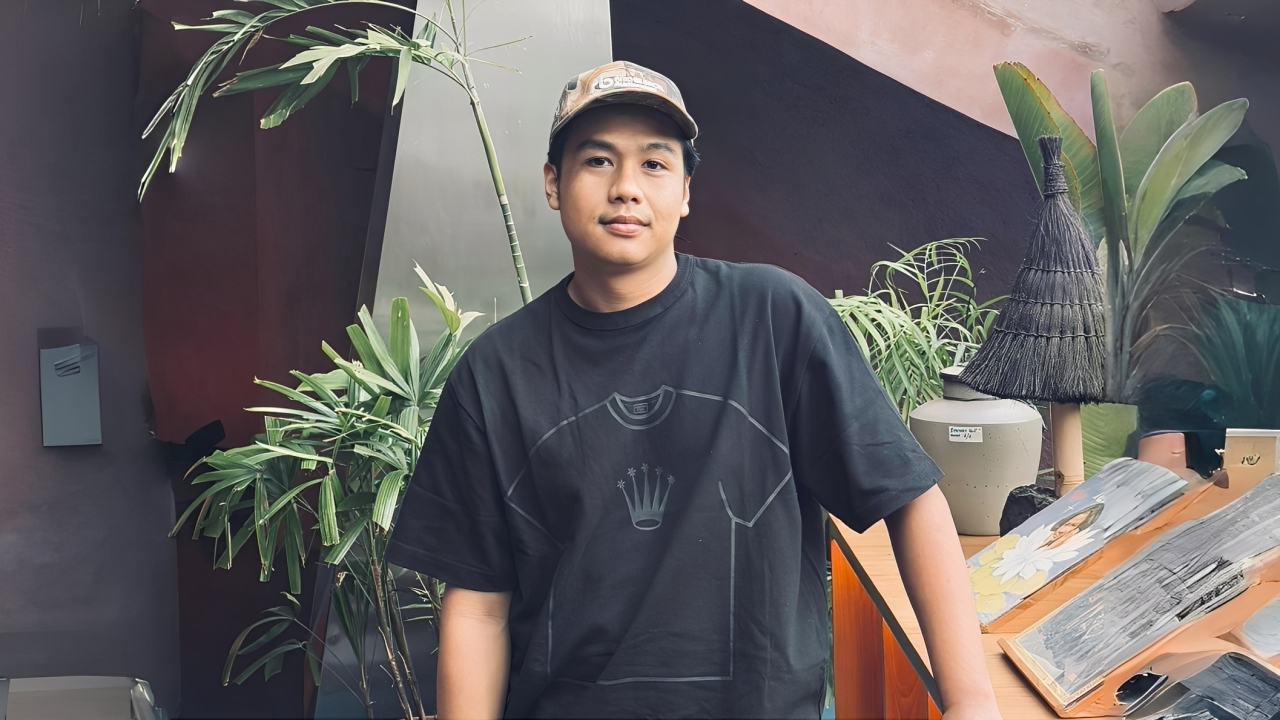
What’s your design style?
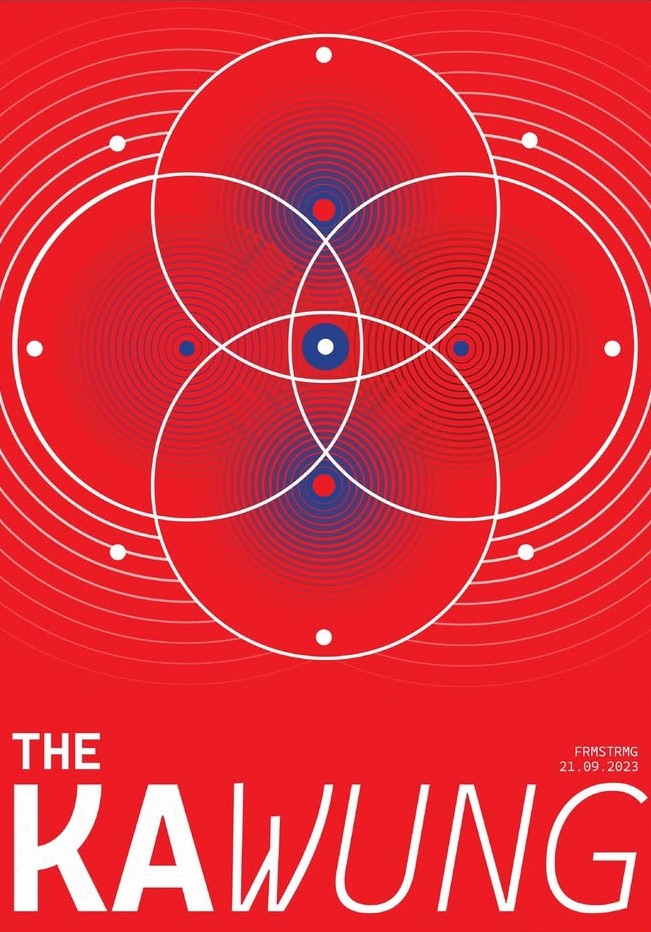
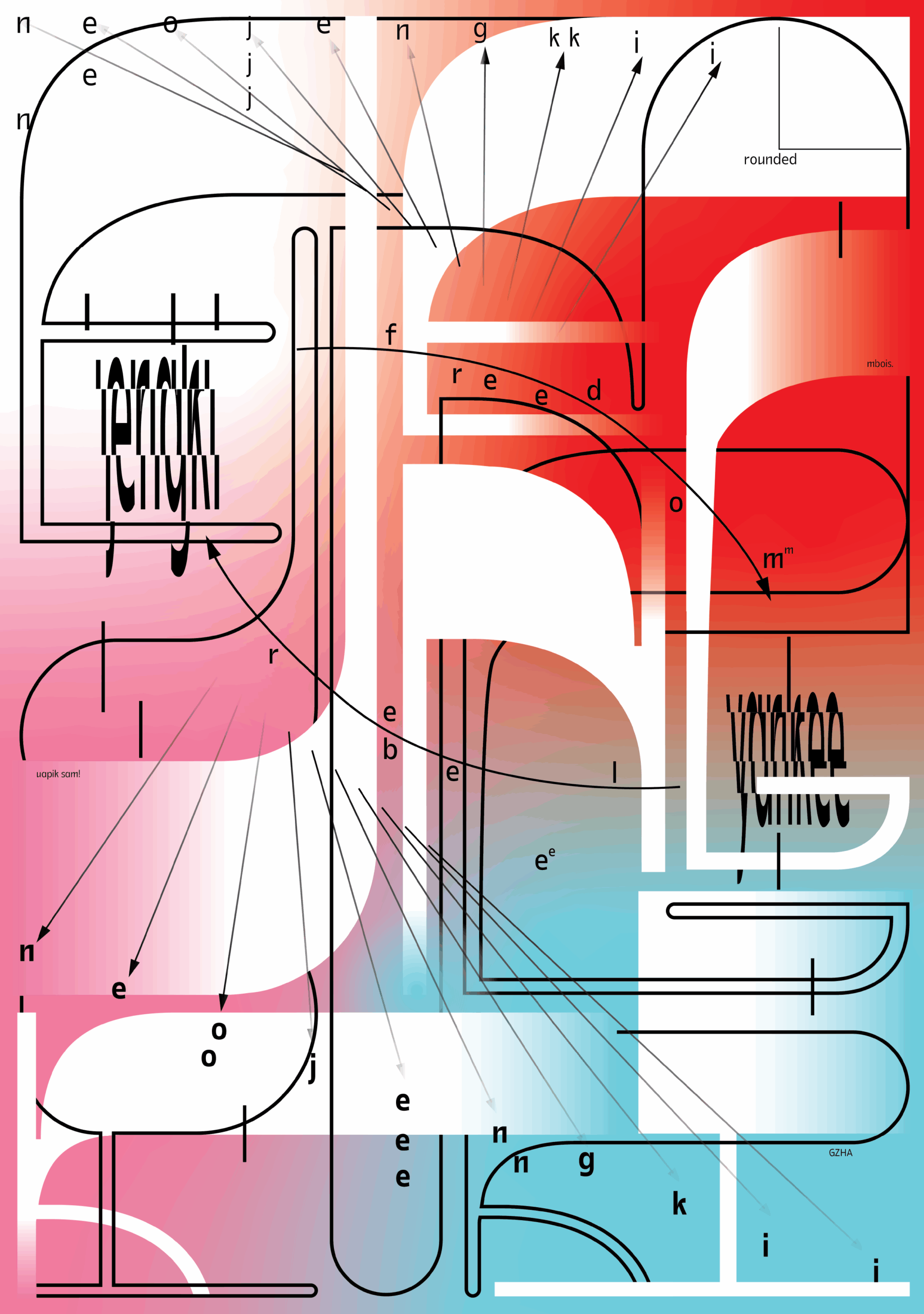
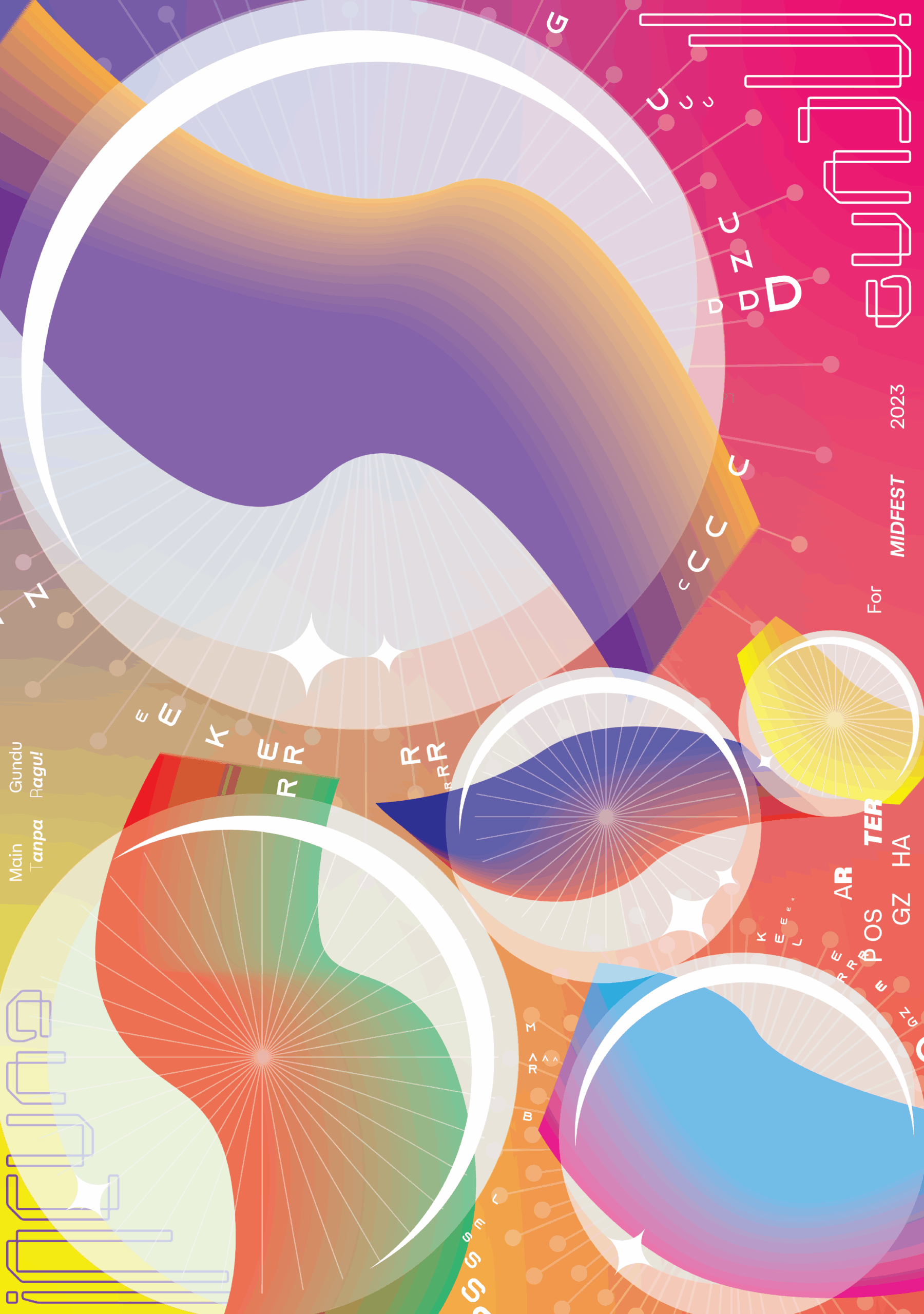
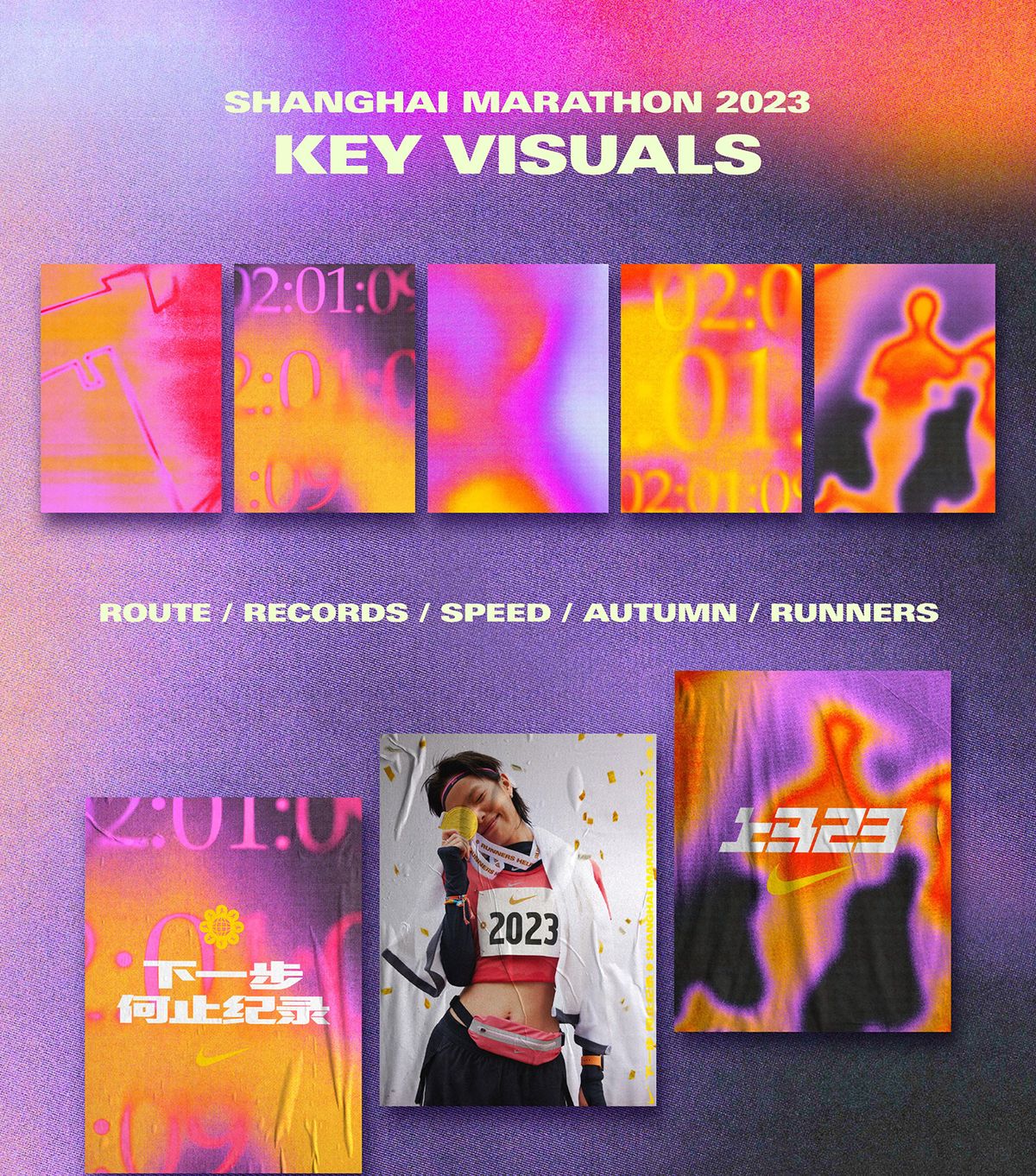
My design style leans towards modern experimental graphics and new media[2]. I like exploring visuals through newer, less common mediums, such as textures, dynamic gradients, pattern repetition, and organic forms, to create visuals that feel fresh, unique, and not locked into conventional formats.
What fonts are associated with that design style?
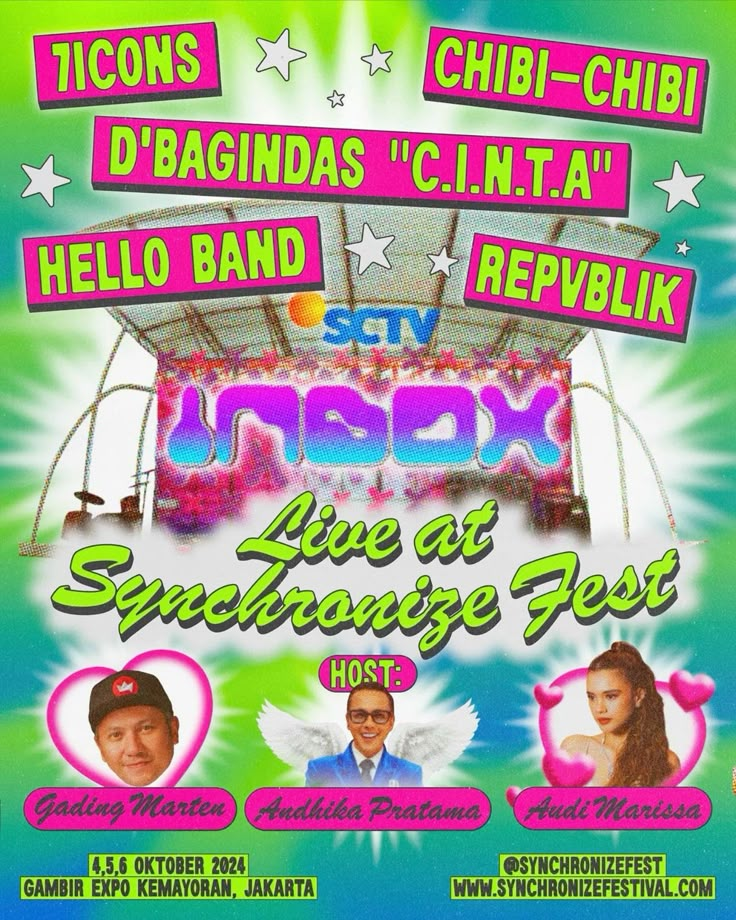
I usually use bold fonts with strong character[3], especially sans serif or display types that are modified with accents like ink traps or custom shapes. These slightly “out of the box” forms help reinforce the experimental and modern feel. As a complement, I often pair them with sharp script fonts to add a personal and dynamic touch.
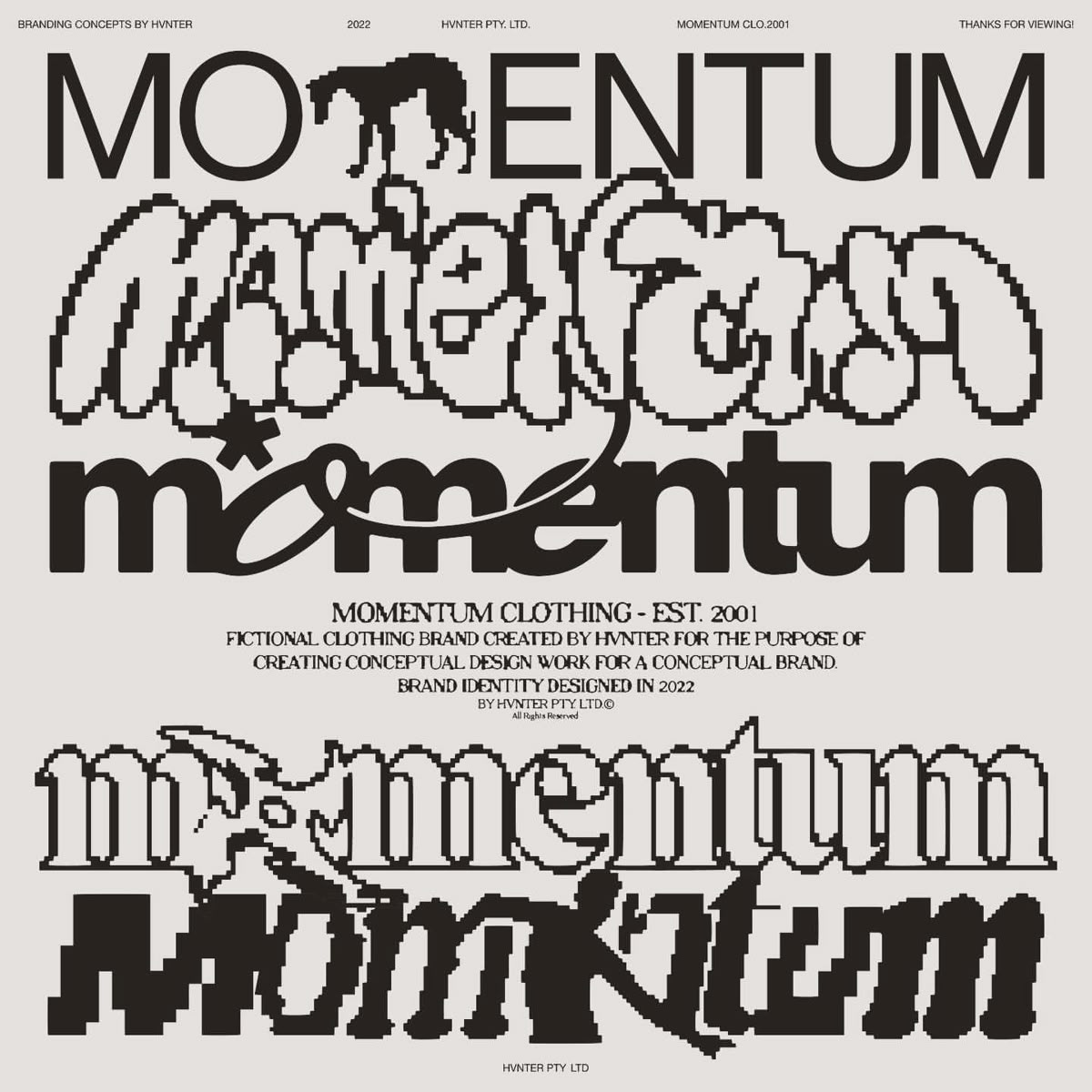
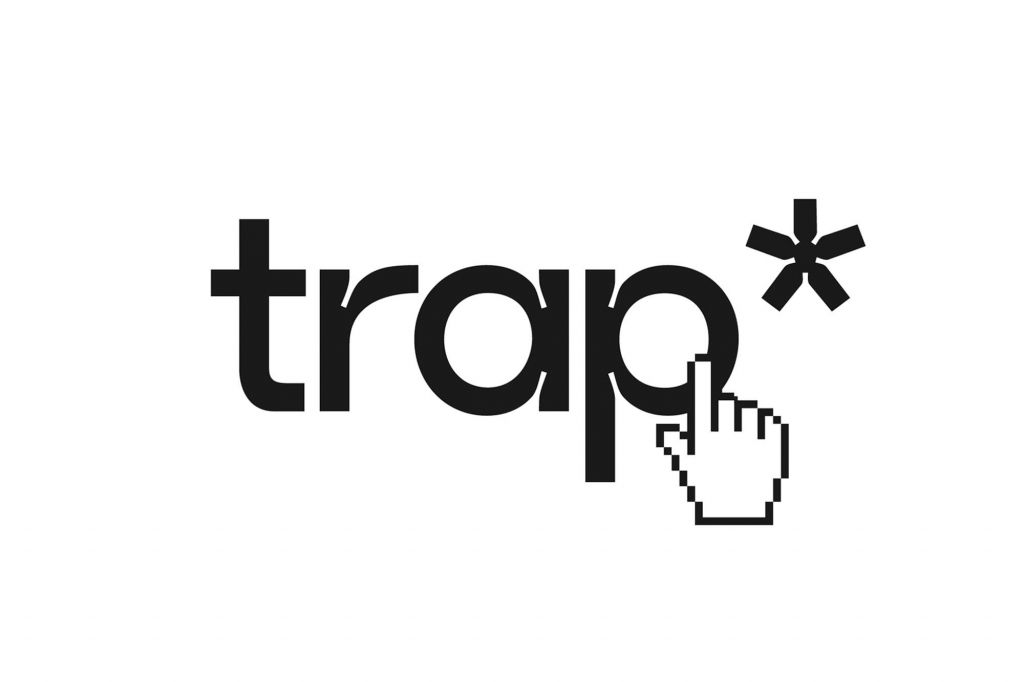
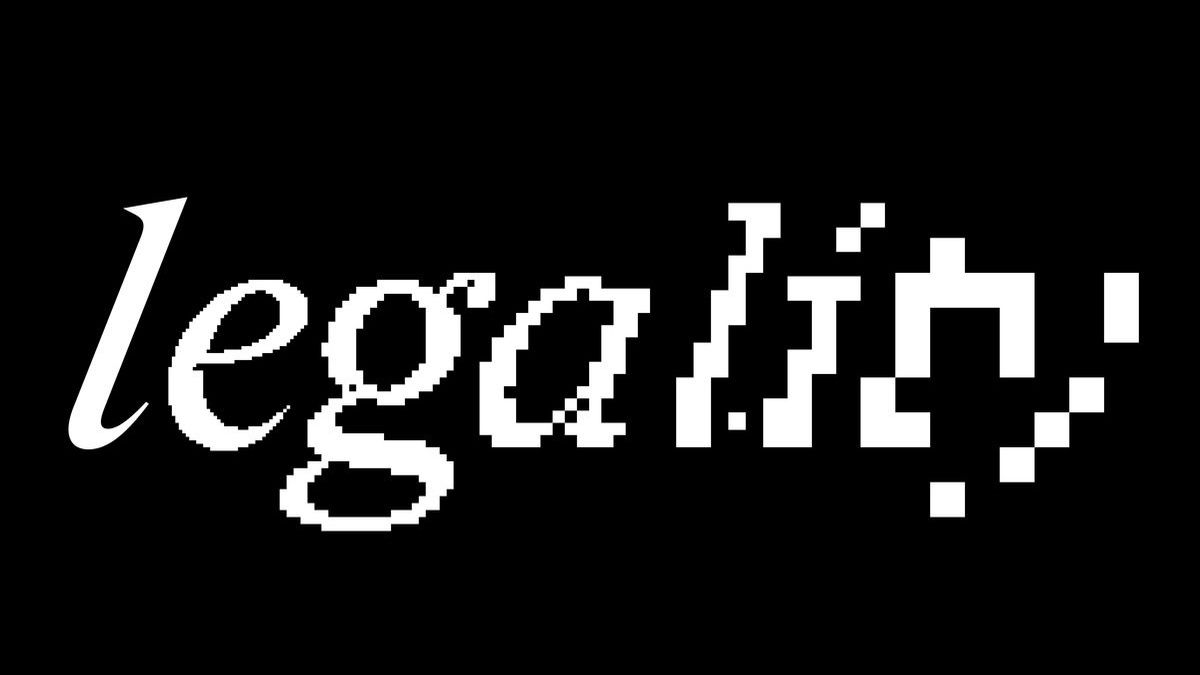
Some of my favourite fonts:
- Machine Neue
- Futura
- Gothic
- Monument
- Maragsa
What hobbies and lifestyle activities inspire this design style and font?
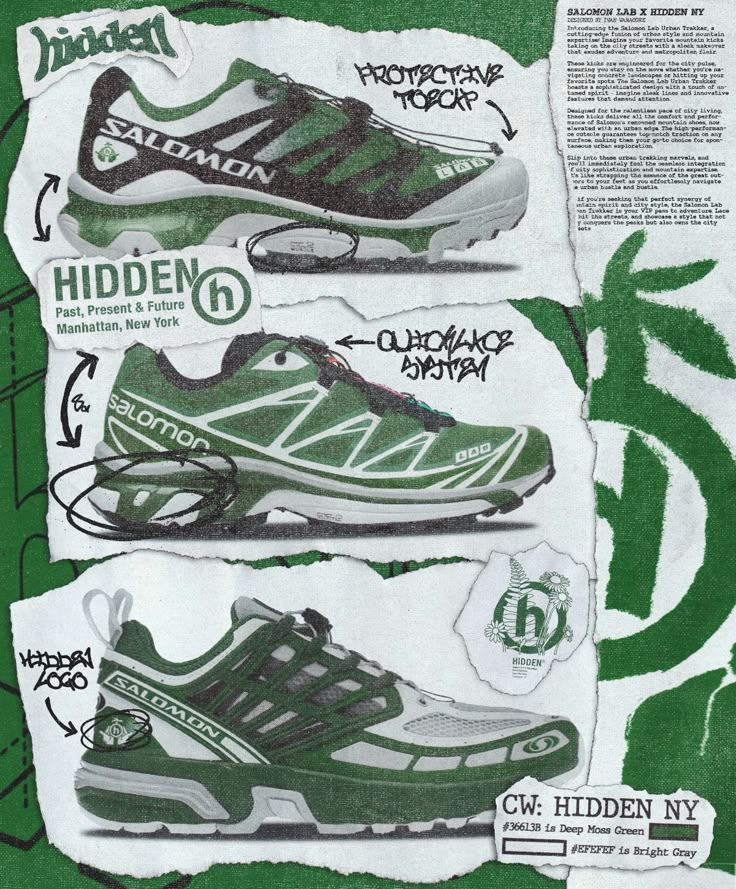
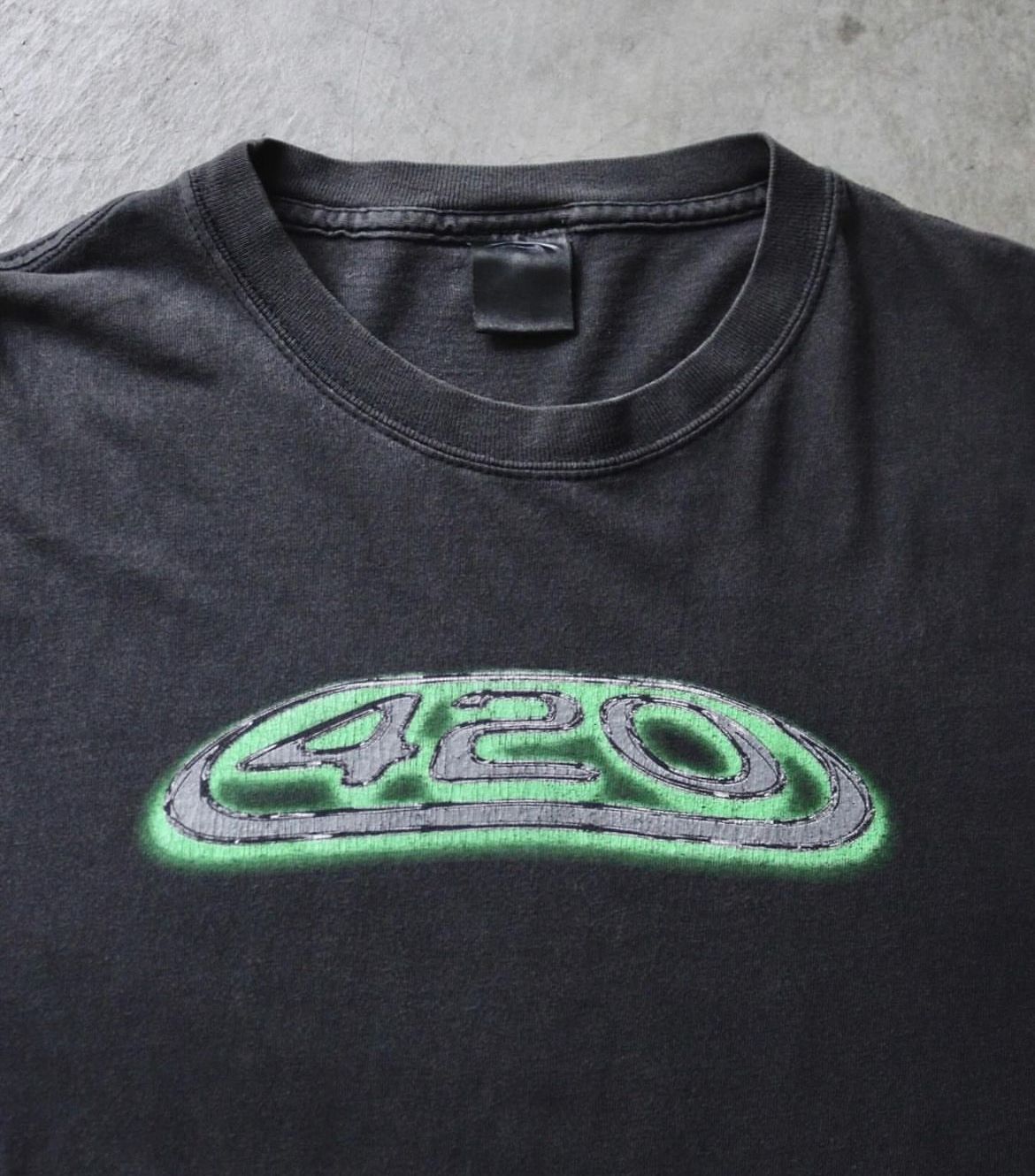
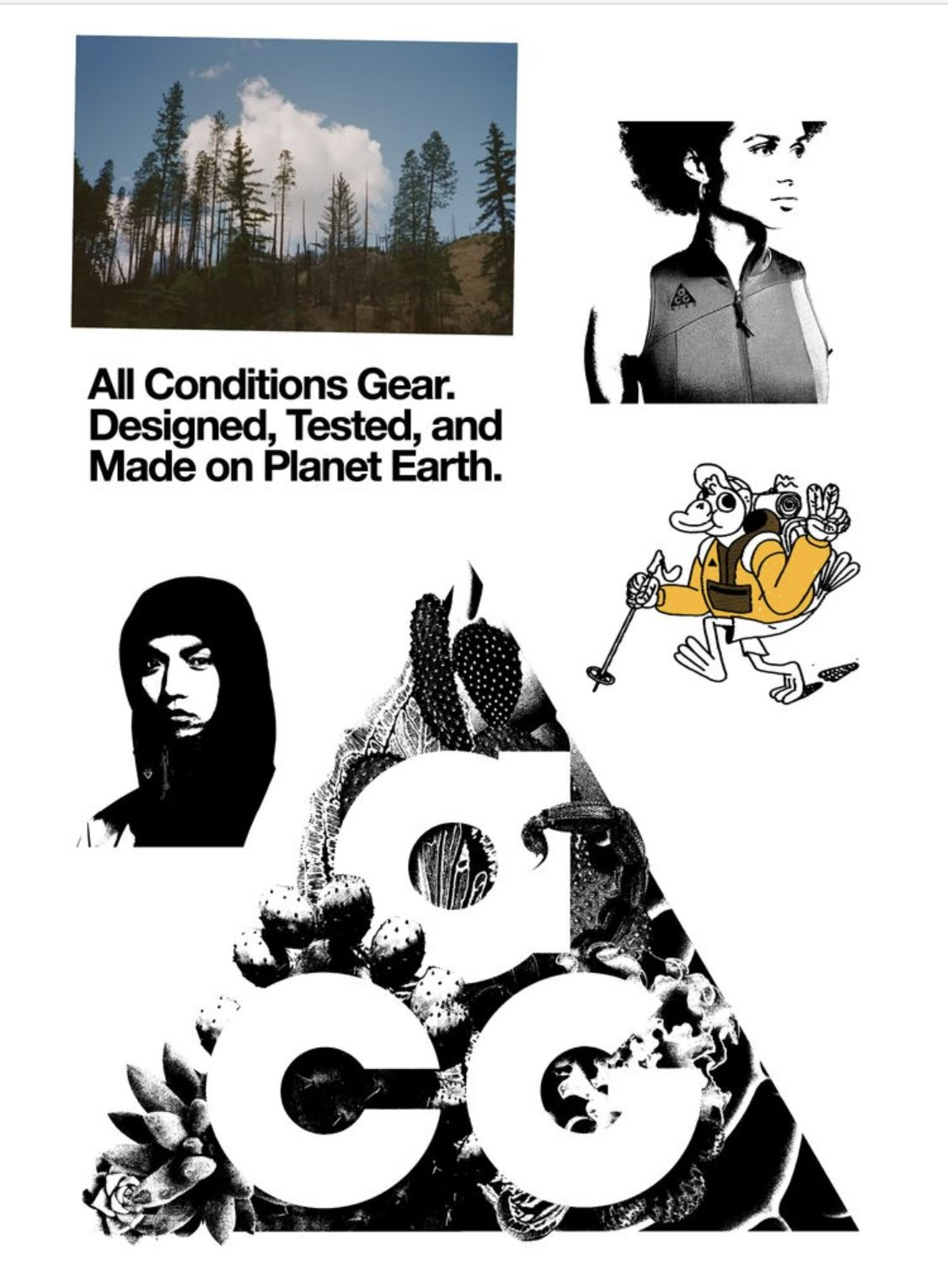
This design style and font are heavily inspired by youth subcultures[4], often referred to as “anak skena” (the scene kids). Activities like outdoor hiking, running, and modern music play a big role. I also draw inspiration from vintage graphic t-shirts, jerseys, and sneaker designs.
How do you think cultural movements and lifestyle hobbies affect design genres?
Cultural developments and lifestyle trends give designers more space to experiment freely. For example, streetwear trends popularised bold typography and daring visuals; the graphic t-shirt trend pushed visuals to become more textured and less flat; while technological progress has made idea realisation much easier—from screen-printing shirts and making stickers to motion graphics in digital media.
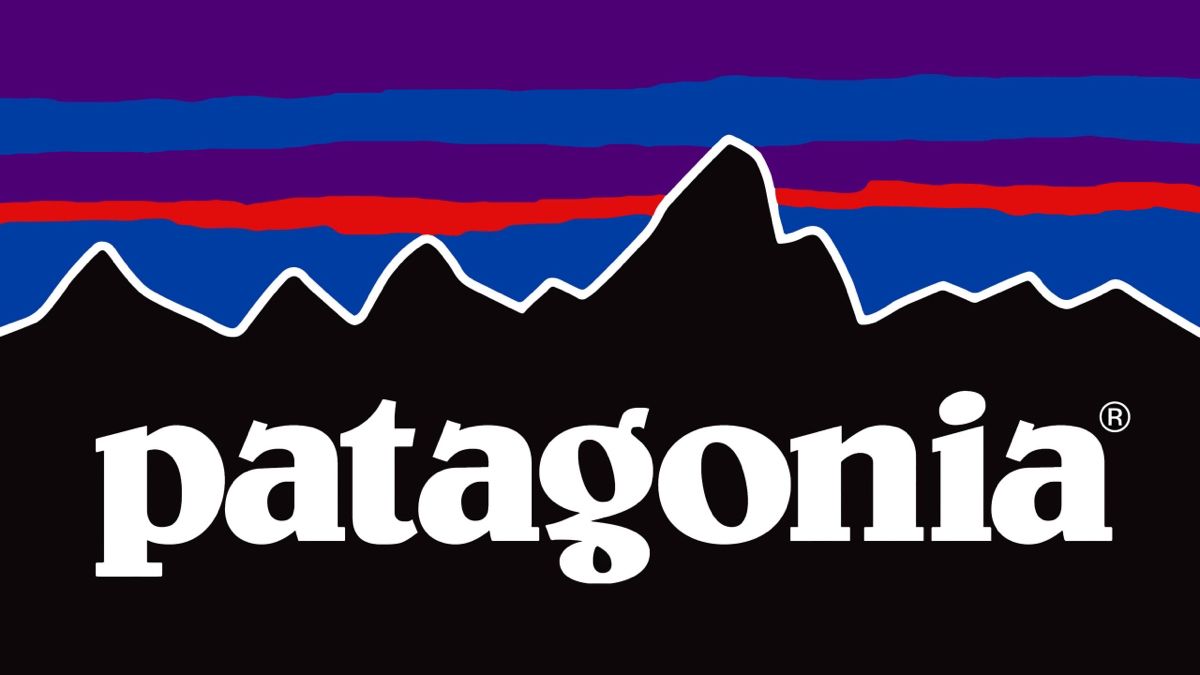
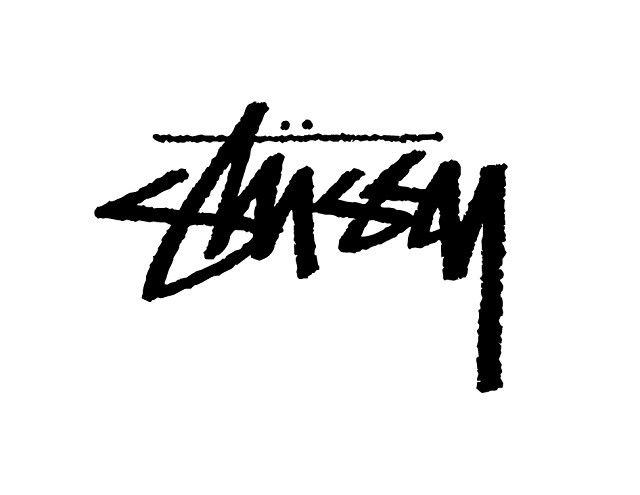
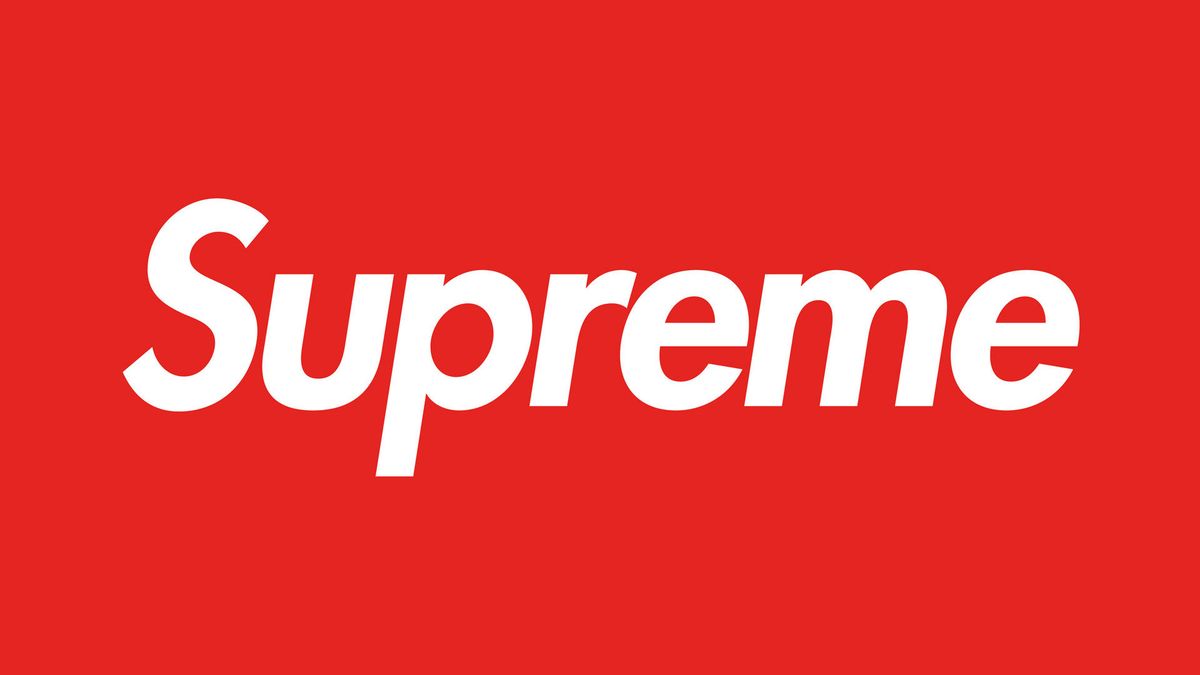
All of this fuels the creation of designs that feel more personal, relevant, and unique. Looking at it more broadly, typography is no longer just a complement—it has become a key element in shaping a hype brand image. Think of Stussy, Supreme, or Patagonia.
In your opinion, what is the WORST font ever and why?
For me, there’s no such thing as a bad font. What exists is a font being used in the wrong context[5]. Even fonts often considered “overused” can look extraordinary when paired with the right medium, colours, and concept. The key isn’t avoiding certain fonts but ensuring the choice communicates the brand or message effectively through the visuals.
TL;DR
📍 Fonts are branding tools, not afterthoughts.
📍 Even the “basic” ones can shine in the right hands.
📍 Culture and lifestyle fuel the way fonts evolve—and designers like Daud prove it.
Need help finding your brand’s voice and its typeface?
Our Branding and Design team’s got you.
Subscribe to our newsletter for
Good marketing, Good people, and Good stuff in your Inbox